What is Non-Hazardous Waste
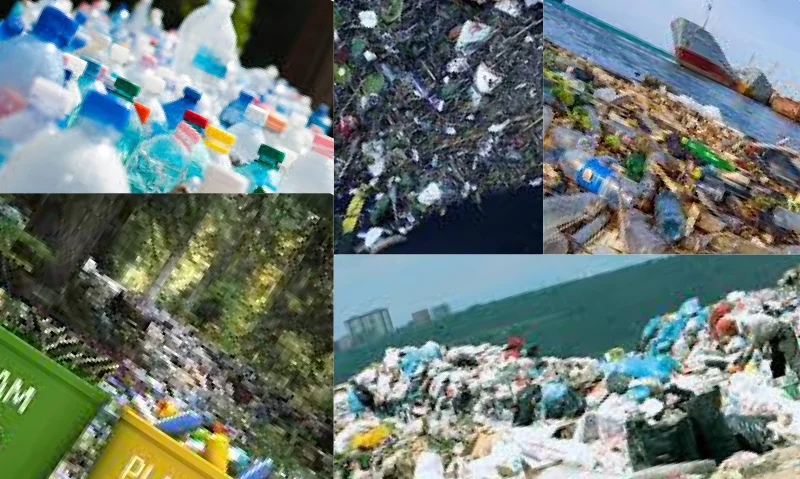
Waste Collection
Waste is classified according to whether it harms humans and the environment. All waste pollutes the environment, but hazardous waste threatens human health and causes permanent environmental damage. Non-hazardous waste, although it pollutes the environment, does not pose a risk to human health because it does not exhibit properties such as being chemical, explosive, or flammable. The collection, storage, and recycling of such waste are possible through waste management. You can get information on this subject by visiting companies' websites.
Non-Hazardous Waste Management
Waste generated in homes, hospitals, parks, schools, in short, in human living spaces must be collected in a way that does not threaten public health. The growing waste problem due to urbanization necessitates legal regulations and professional handling of the issue to protect environmental and human health. Waste collection is legally regulated within the framework of the Waste Management Regulation, and waste collection, storage, and recycling businesses must operate within the specified rules. Non-hazardous waste management primarily begins with collecting waste from the source in a manner appropriate to the type of waste. Waste can be collected in two ways: mixed collection and dual collection. Mixed waste collection is the method where all types of waste are collected together. Dual waste collection involves the separate collection of dry and wet waste. How these collected wastes will be disposed of is legally regulated by the principles specified in the regulation. Waste management is a professional process, and this process must be carried out in accordance with the rules.