Inox Material Properties

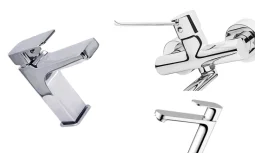
Inox is a general name given to real stainless steels. In these products, phenomena such as wear, rust, or deterioration are not observed. All these properties are characteristics observed due to the smooth structure of stainless steels. Since the surfaces of Inox materials are smooth, they are also extremely easy to clean. This prevents microbes suspended in the air from adhering to these surfaces and multiplying. Inox is not a name given to a surface or coating. It is the name given to stainless steel itself. In real inox, if situations like wear, fingerprints, or rust occur, these layers will be renewed with a transparent layer. To get information on this subject and ask your questions, you can look at the relevant online companies on the internet pages and examine them in detail from here.

What are the Qualities of Inox Material?
It is possible to combine Inox materials with other elements to gain different properties. By adding nickel, 18-8 stainless steel can be obtained. This stainless steel contains 10% chromium and 8% nickel. Other elements that can be added to stainless steels are phosphorus, manganese, niobium, molybdenum, zirconium, selenium, titanium, silicon, and sulfur. Very high temperatures are required for the production of stainless steels. In addition, accurate chemical control is extremely important. For this reason, alloys are produced in electric furnaces that can reach high temperatures.
How is Inox Classified?

Stainless steels can be classified according to their response to heat treatments and their chemical structure. Ferritic steels containing between 15% and 30% chromium and less than 0.2% carbon cannot be hardened. Martensitic steels containing 10% to 18% chromium and varying amounts of carbon can be hardened by quenching. There are austenitic steels containing 16% to 26% chromium and less than 0.25% carbon, and austenitic steels that can be hardened without quenching. Austenitic steels that can be hardened without quenching have very high strength.