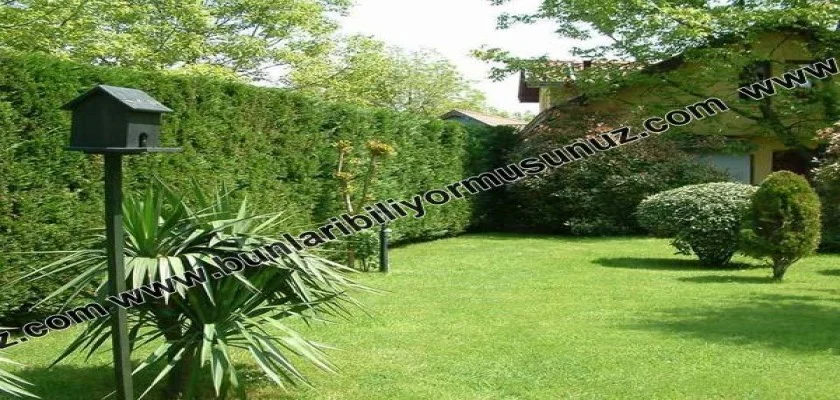
Who wouldn't want to see lush greenery and colorful blooming flowers? Having a beautiful garden is good for our psychology and keeps us away from stress.
Garden maintenance requires patience and effort. First, you need to know your garden's soil structure very well.
The first thing you should do is to know the
PH level of the soil. After learning the
PH level, you can start by planting suitable plants for those characteristics.
If your soil shows an
acidic characteristic: You can grow plants like
camellia, azalea, heather; if your soil shows a basic characteristic: you can plant fruit trees like cedar and cherry. Another important point to remember is the depth of your soil. If your soil does not have sufficient depth, we recommend
not planting trees.
After selecting plants suitable for your garden's soil, position your plants according to the sunlight they need and plant species that are suitable for the climate of your region. The most suitable time to plant your plants is in the spring months.
Autumn is the most suitable season for planting trees, and
spring is the most suitable season for planting flowers.
After doing all this, you can start maintaining your garden. First, clean up winter debris, leaves, and weeds with a rake. Ensure that the roots of your fruit trees receive air. Spring is the most suitable time to treat your plants with pesticides. The appropriate season for fertilizing the garden is
autumn for winter plants; and
spring for summer plants.
If there are
winter mud puddles, sludges, or pits in your garden, get rid of them by digging drainage holes. Finally, check your lawns and reseed areas where the grass has thinned. Pay attention to watering your plants. Lastly, maintaining the tools you use in your garden is as important as maintaining your plants.
If you have products like
fences that will rust in your garden, apply rust-preventative paint and maintain them. Maintain automatic irrigation channels.