How to Detail Buildings with Structural BIM Software?

Structural BIM (Building Information Modeling) software is a revolutionary tool for detailing buildings. This software creates three-dimensional models of structural elements and enables detailed analysis through these models. In the first step, designers input the geometric and physical properties of the structural elements into the software. Based on this information, the software creates detailed models of structural components such as load-bearing systems, beams, columns, and foundations. Subsequently, load analyses, durability tests, and other engineering calculations are performed on these models. Thus, the safety and performance of buildings can be tested even before construction begins. For information on this subject and to ask your questions, you can look at the relevant online companies on web pages and examine them in detail from there.
What are the Main Features of Structural BIM Software?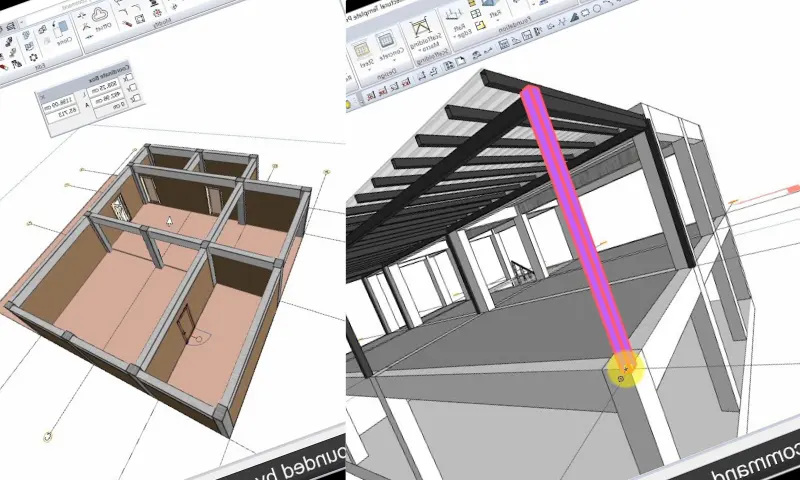
Structural BIM software offers many features. First and foremost, its three-dimensional modeling and visualization capabilities allow designers and engineers to better understand their projects. The software also includes integrated analysis tools, enabling load-bearing capacity and durability analyses to be performed. The clash detection feature checks whether different structural components are compatible with each other, thus preventing potential errors during the construction phase. Collaboration tools allow all disciplines involved in the project to work on the same platform, increasing communication and coordination.
What is the Importance of Structural BIM Software?
The importance of structural BIM software stems from the numerous advantages it offers in construction projects. This software enables projects to be completed faster, more efficiently, and economically. Thanks to its detailed modeling and analysis features, the safety of buildings is increased, and engineering errors are minimized. The ability for all stakeholders involved in the project to work on the same platform strengthens communication and coordination. This reduces project costs and saves time. Features such as clash detection and automatic documentation contribute to the smooth progress of projects by identifying potential problems in the construction process in advance.