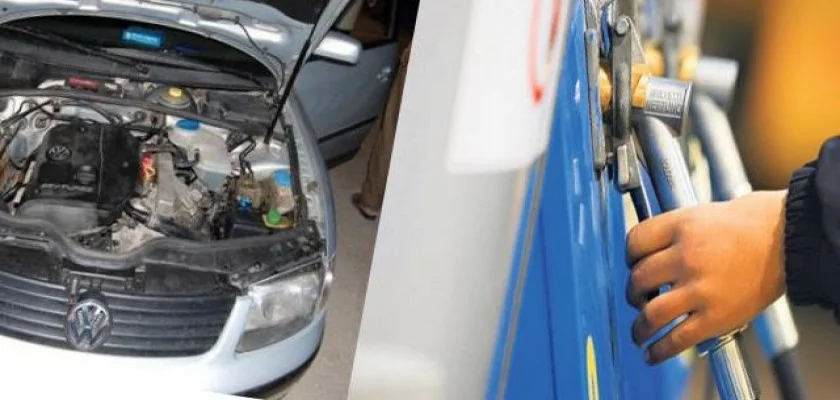
Is There Any Danger or Harm in Using LPG in Vehicles?
Mechanical modifications within vehicle engines are required to increase compression ratios from the range of 9 to 10 to 12-13. However, this is a very expensive and not very practical solution in terms of time. But, among the engine operating systems and within them, the ignition processors must achieve ignition timing that runs 8 to 12 degrees retarded compared to gasoline by changing ignition timing in the advance direction by the same amounts. However, these methods are also very expensive and time-consuming. By completely renewing your ignition systems and, most importantly, using iridium spark plugs with smaller electrodes than the original specification but with minimum electrode thicknesses to produce the strongest spark, is the most economical and preferred method to eliminate the laziness of LPG fuels in vehicles. If LPG systems used in vehicles comply with certain norms and standards and their installation is done correctly, it is incorrect to say that there are definitely dangers. Furthermore, all statistics conducted also support this.
What is the Safe Filling Level in LPG Vehicles?
If an LPG system is involved in an accident, the LPG systems have some safety measures within them. For example, if a gas pipe breaks or your engine is hit and damages your LPG system, the LPG systems will stop the flow of gas in these situations, thus ensuring safety in the best possible way. Nowadays, the safety systems on them will not allow filling beyond approximately 80% of the tank. The reason for this is that in case of a malfunction, assuming your tanks have a capacity of 50 liters, you should not try to fill more than 40 liters. However, if you exceed 40 liters and fill more fuel, there is a malfunction in the fuel systems. If you overfill your tanks and then leave your vehicles in a hot place or under the sun, you may face some dangers due to the high pressure that will cause in your tank.
www.lpgotogaz.com.tr