The Origin and History of Ebru Art

Ebru is a traditional Turkish art form that involves sprinkling special paints onto the surface of water, and then transferring these patterns onto paper. This art, with a history dating back to the 15th century, showed great development especially during the Ottoman period. Ebru was often used as a background decoration in bookbinding and calligraphy works. Derived from the Persian word "abru," ebru means "cloud-like patterns on the water's surface." In addition to traditional patterns, modern ebru works have also become widespread today. This art form carries both aesthetic and spiritual value by building a cultural bridge between the past and the present. You can examine this subject in detail by looking at related online firms on internet pages to get information and ask your questions.
Materials and Techniques Used in Ebru Art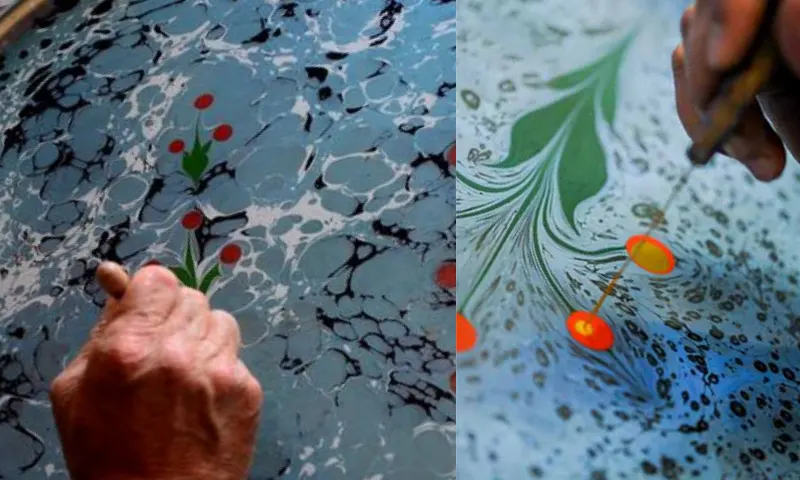
Ebru art requires special preparation and materials. Basic materials include the ebru trough, tragacanth to increase the water's density, natural paints, and brushes made from horsehair and rose branches. Paints are generally obtained from natural pigments and spread fluidly when dripped onto the water's surface. These paints are shaped on the tragacanth-infused water, and different patterns are created with sticks. The most common patterns include varieties such as "battal ebru," "floral ebru," and "tidal." The prepared pattern is carefully lifted from the water's surface and transferred to paper. This process is a delicate work that requires both patience and manual skill.
Benefits of Ebru Work and Its Place Today
Ebru work is not only an aesthetic art but also considered a method of therapy. The movements of the paints on the water provide a sense of peace and relaxation to both the maker and the observer. Ebru art is an activity that develops patience, attention, and creativity. Today, this traditional art continues to be taught in workshops, art courses, and educational institutions. Furthermore, it finds its place in different designs and decorative products by merging with modern art. Ebru work continues to keep our cultural richness alive as an art form that carries the traces of the past and inspires the future.