
The History and Origin of the Hammam

Throughout history, the hammam has been an important part of cleanliness, purification, and social life in various civilizations. The history of the hammam dates back to the ancient Roman and Byzantine periods. During these times, hammams were used not only for cleaning but also as spaces for socializing and relaxation. In Turkish culture, the hammam tradition developed and gained a unique identity during the Seljuk and Ottoman periods. In the Ottoman era, hammams became important structures of both urban life and architectural culture. These structures not only met hygiene needs but also became centers of social interaction. For information on this topic and to ask questions you are curious about, you can look at relevant online firms on the internet and examine them in detail.
Hammam Culture and Social Life in the Ottoman Period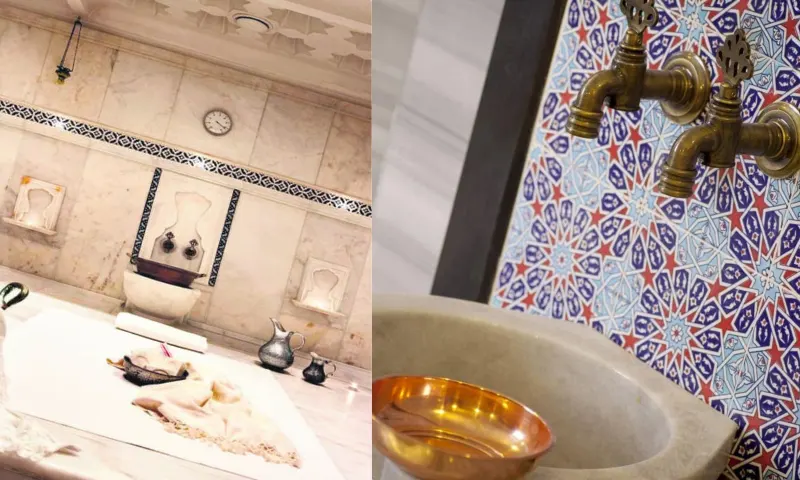
One of the most remarkable periods in the history of the hammam is the time of the Ottoman Empire. During this period, hammams were built as large structures with separate sections for men and women. Hammams also served as venues for social events such as henna nights before weddings, postpartum visits, and special celebrations. People not only cleaned themselves in the hammam but also chatted, relaxed, and strengthened their social bonds. Hammam culture also became an important part of traditional rituals. In this regard, hammams became an indispensable element of Ottoman social life.
The Historical Heritage and Importance of the Hammam Today
Today, the history of the hammam continues to be preserved as a cultural heritage. Many historical hammams have been restored, opened to tourism, and made accessible to visitors. Modern spa and wellness centers have been developed inspired by traditional hammam culture. In this way, the hammam tradition continues to exist in contemporary life. Hammams retain their importance not only as places of cleanliness but also as structures that offer a cultural experience. Historical hammams shed light on the past with their architectural structures and atmospheres, ensuring cultural continuity. Therefore, the history of the hammam is of great importance for both understanding the past and preserving cultural values.