Flea Medication and General Mechanism of Action
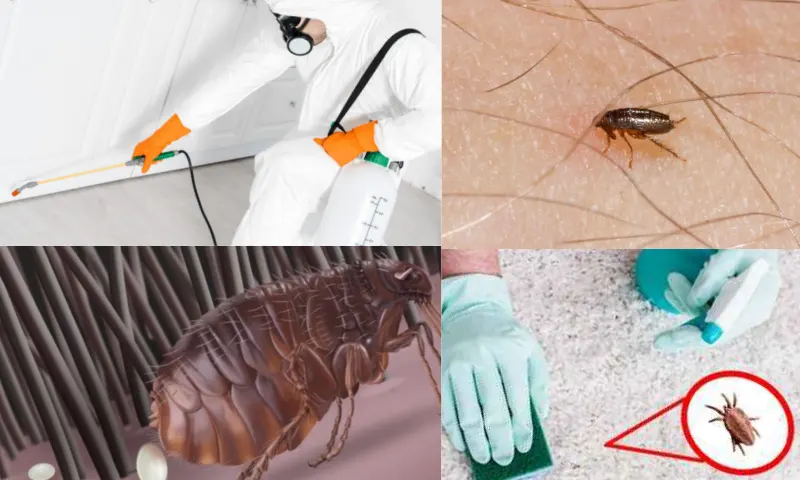
Flea Medication and Chemical Mechanism of Action
The working mechanism of flea medication varies depending on the type and formulation of the medication used. You can visit https://haseremarket.com/icerik/pire-ilaclama-hizmetleri to get flea medication. In general, flea medication targets the flea's nervous system, rendering them ineffective. Chemical medications kill fleas by interfering with the transmission of electrical signals in the flea's nerve cells or by causing excessive transmission of these signals. Natural medications, on the other hand, generally disrupt the flea's life cycle, preventing reproduction and eliminating existing fleas. Chemical flea medication typically contains active ingredients that affect the flea's nervous system. Ingredients include substances such as permethrin, fipronil, and imidacloprid. Permethrin causes continuous transmission of nerve signals by keeping the sodium channels in the flea's nerve cells open. This leads to paralysis and death of the fleas. Fipronil blocks the GABA (gamma-aminobutyric acid) receptors in fleas, which stops the transmission of nerve signals, leading to the death of the fleas.
Flea Medication Efficacy
Natural flea medication is derived from plant oils and extracts as an alternative to chemical substances. These products generally disrupt the flea's life cycle, preventing reproduction. Ingredients like neem oil and citronella oil stop fleas from laying eggs and inhibit larval development. Physically acting ingredients such as diatomaceous earth damage the exoskeleton of fleas, causing them to lose water and die. The efficacy of flea medication depends on correct application methods. Chemical medications are generally available in the form of sprays, drops, shampoos, and collars and are applied directly to the fur of pets. Natural medications are usually in spray and powder form and are sprayed onto the fur of pets and living areas where fleas may be present. The efficacy of these medications depends on their ability to affect all stages of the flea's life cycle (egg, larva, adult).