
What is Bioluminescence and How Does It Work?
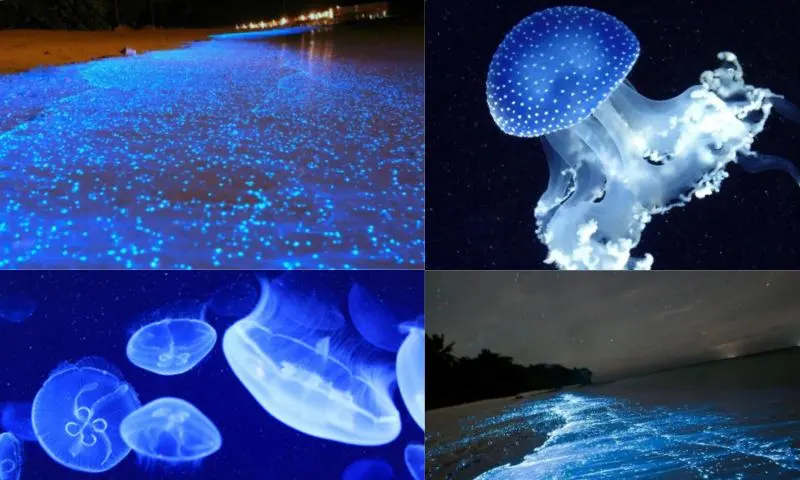
Bioluminescence is the ability of some living organisms to produce light within their bodies. This special ability occurs as a result of specific chemical reactions. Organisms produce light using a compound called luciferin, which reacts with oxygen, through enzymes and chemical compounds. This light is often called cold light because no heat is generated during light production. Bioluminescence is generally seen in marine organisms and some terrestrial animals. For example, many fish living in the oceans use this light to trap their prey or to navigate in dark environments. Additionally, some species use this light to protect themselves from predators or to communicate. For information on this topic and to ask your questions, you can look at the relevant online firms on the internet pages and examine them in detail from here.
Natural Uses of Bioluminescence
Bioluminescent organisms use this light-producing ability for various purposes. In the depths of the sea, fish and other marine creatures that need light use bioluminescence to find their way in dark waters or to catch their prey. For instance, the deep-sea fish "Anglerfish" uses its luminous, captivating appendage on its head to attract prey. Similarly, some fish species use lights as traps to catch prey. In the terrestrial world, fireflies find their mates by sending light signals to each other during their mating season. This luminous communication is perhaps the most romantic example of bioluminescence. Bioluminescence also helps some animals escape predators. Organisms that surprise predators by producing light or divert their attention elsewhere increase their chances of survival. Some marine algae also produce light using bioluminescence, and this light is used as a defense mechanism to keep away animals that eat them.
Interesting Examples of Bioluminescence
Bioluminescence presents itself with some surprising and interesting examples in nature. Fireflies are one of the most popular examples of bioluminescence. These tiny lights that appear in the sky on summer evenings are actually a mating strategy. Another example is deep-sea creatures. These creatures survive by emitting light in the darkest corners of the ocean. For example, the "Deep Sea Jellyfish" is a species that emits light and attracts attention with its luminous glow in the dark on the ocean floor. Additionally, the "firefly squid" presents a light show by emitting fascinating bioluminescent lights, observed off the coast of Japan. In conclusion, bioluminescence is a fascinating phenomenon offered by nature. This interesting feature, used for both survival and communication, reveals the complexity and beauty of nature. Bioluminescence is not only a subject of scientific curiosity but also offers a captivating visual experience.