Considerations When Using Structured Cabling

Structured cabling forms the backbone of the communication infrastructure for modern buildings and facilities. The correct and effective installation and use of these systems directly impact network performance and reliability. The success of structured cabling systems relies on proper planning and design. The first step is to identify current and future needs. It is important to analyze the cabling requirements of each area within the building and plan appropriate solutions. Furthermore, the cabling infrastructure must be designed to adapt to future expansions and technology updates. At this stage, selecting cabling solutions that comply with standards is critical for long-term success. For information on this subject and to ask your questions, you can look at the relevant online companies on the internet pages and conduct a detailed review from there.
Using Quality Materials and Equipment with Structured Cabling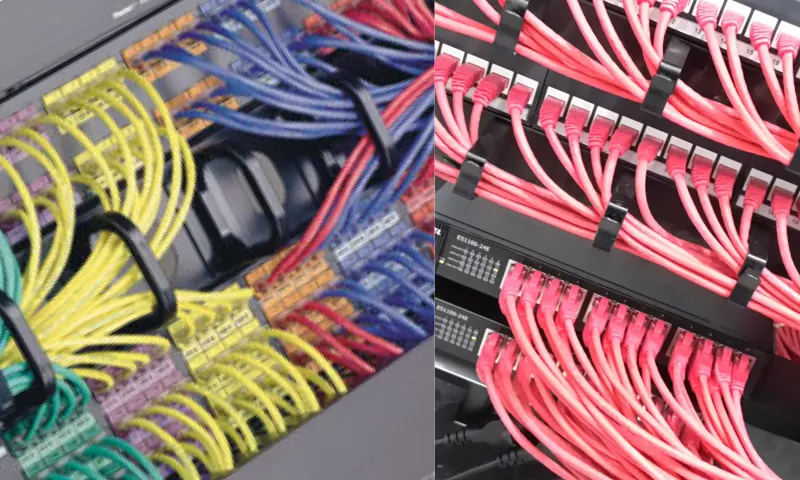
The performance and durability of structured cabling systems depend on the quality of the materials and equipment used. Choosing high-quality cables, connectors, and patch panels minimizes data transmission errors and interruptions. Additionally, ensuring these materials meet appropriate standards ensures the system's longevity. In particular, attention should be paid to cable properties such as bend radius, tensile strength, and fire resistance. Quality materials significantly reduce maintenance and repair requirements, both during installation and operation.
Professional Installation and Testing with Structured Cabling
Professional installation and testing are necessary for structured cabling systems to function correctly. During the installation process, it is important to lay cables properly, make connections securely, and adhere to cable routing rules. Errors made during installation can negatively affect system performance and lead to future problems. Therefore, it is preferable to have the installation done by experienced and certified technicians. Furthermore, after installation, testing all cables and connections helps to detect potential issues early.