
The History of Wooden Houses

The use of wooden houses is one of the oldest building techniques in human history. Since ancient times, people have preferred wood as a building material due to its durability, aesthetics, and abundance. Wooden houses have been an important type of shelter, especially for societies living in forested areas. In Medieval Europe, wooden houses were widely used, particularly in Scandinavian countries and Russia. These houses were typically built from thick logs and proved durable against harsh climatic conditions. Wooden houses also hold a significant place in traditional Japanese architecture. The Japanese used wood aesthetically and functionally to construct flexible and durable structures in earthquake-prone regions. Although modern construction techniques developed in the early 20th century led to materials like concrete and steel replacing wood, wooden houses are still preferred by many. Today, thanks to trends towards sustainability and a return to nature, wooden houses have regained popularity. For information on this topic and to ask your questions, you can check out relevant online companies on web pages and review them in detail from there.
Advantages and Disadvantages of Wooden Houses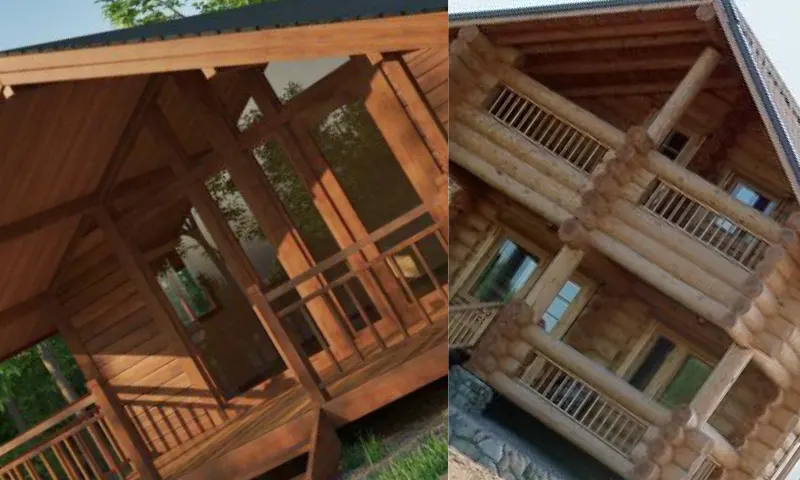
Wooden houses have many advantages. Firstly, as wood is a natural insulator, wooden houses provide energy efficiency. Wood effectively insulates both heat and sound, creating a warm interior in winter and a cool one in summer. Furthermore, wooden houses are aesthetically attractive and have a natural appearance. Wood can be enriched with various patterns and textures, making each wooden house unique and personal. The construction of wooden houses is generally faster and causes less environmental damage compared to concrete or steel building materials. However, wooden houses also have some disadvantages. Wood is a material sensitive to fire and can pose a risk if appropriate fire prevention measures are not taken. Additionally, wood is vulnerable to pests such as insects and fungi, thus requiring regular maintenance and protective measures. There is also a risk of rot if wooden structures are exposed to moisture and water. Therefore, it is important to maintain wooden houses regularly and protect them under appropriate conditions.
Sustainability in Wooden Houses
Sustainability is one of the most important features of modern wooden houses. Wood is a renewable resource and causes minimal environmental damage when managed correctly. Sustainable forest management ensures the continuity of wood resources by balancing the processes of felling and replanting trees. Wood is a material with carbon sequestration capacity, which helps reduce carbon emissions. The production of materials like concrete and steel consumes high amounts of energy and releases carbon. In contrast, wood production and processing require less energy and have a lower environmental impact. To ensure wooden houses are sustainable throughout their lifecycle, designs that provide energy efficiency and the use of renewable energy sources should be encouraged. Furthermore, the recyclability of wooden structures also provides an advantage in terms of waste management. The longevity of wooden houses can be ensured with proper maintenance and protective measures. Therefore, the contributions of wooden houses to sustainability are increasingly appreciated by environmentally conscious individuals and communities.