
Rubber Raw Materials Definition
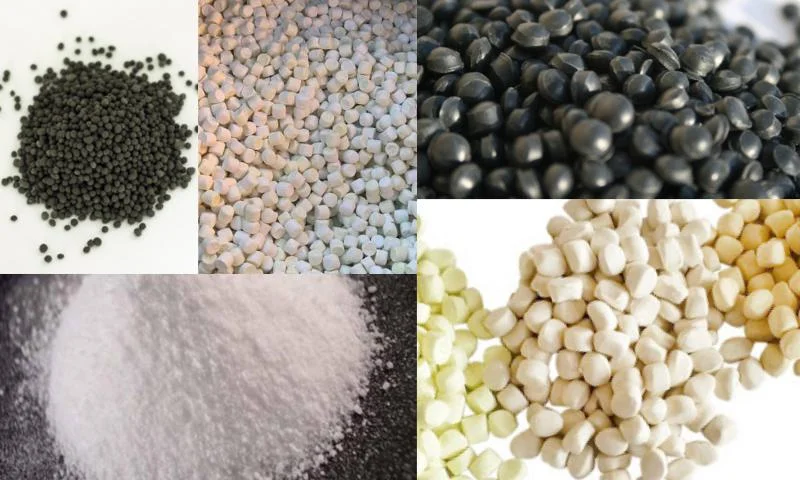
Properties of Rubber Raw Materials
Rubber raw materials, possessing a flexible structure, soften when heated. They become sticky at 180°C and melt at 220°C. Rubber oil is obtained by distillation after melting and acts as a solvent for rubber. Rubber raw materials begin to age when exposed to air, a process accelerated by light. Initially sticky, they transform into a hard, cracking structure upon air exposure. Ketones and alcohols have no effect on rubber raw materials. For rubber to dissolve, turpentine, ether, aniline, aldehyde phenol, and chlorinated hydrocarbons are required. You can examine the page for detailed information. In addition to its flexibility, it is an electrical insulator and also possesses a plastic structure.
Types of Rubber Raw Materials
- Nitrile Rubber: Used in felt applications, materials resistant to oils and greases. It has different formulations for the use of fuels and industrial fluids.
- Polyacrylic Rubber: Preferred for gearbox seals. Its ozone resistance is highly useful. It has an operating range up to 150°C.
- Silicone Rubber: High in flexibility, air resistance, and ozone resistance, making it very useful. Used in crankshaft seals.
- Fluorocarbon Rubber: A type of rubber with high resistance to steam, ozone and weather conditions, glycol brake fluids, and phosphate ester fluids.
- Styrene Butadiene Rubber: Highly resistant to acids and bases, alcohol, and glycol-based brake fluids.
- Natural Rubber: Preferred in applications requiring high flexibility and mechanical strength.
- Polytetrafluoroethylene: Used in almost all chemical industry applications due to its durable plastic structure.
- Polyamide: Commonly known as Nylon. It has strong friction and abrasion resistance properties.
- Hydrogenated Nitrile Rubber: A type of rubber with high mechanical strength and resistance to abrasion.
- Thermoplastic Polyurethane: Possesses a strong flexible structure against rising temperatures.