Neutering Cats and Dogs
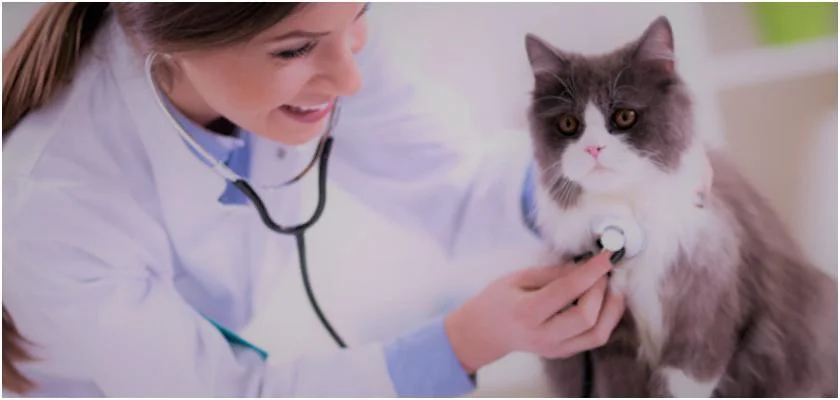
Although neutering cats and dogs is common, correct, and quite widespread, these procedures must be performed by specialists who are knowledgeable and experienced in the field, and it must never be forgotten that these are surgical operations. Post-operative care in dogs must be done meticulously and is a process that requires attention. After the surgery, animals need to rest in a clean, warm, and dry area.
What Situations Are Harmful After Surgery?
The recovery processes of pets after surgery and anesthesia should be monitored by their owners in terms of their health status and symptoms. If the following situations occur, they must be taken to the veterinarian without delay. In post-operative care services for dogs, if there are symptoms such as bleeding, excessive weakness, not drinking water, drops or increases in body temperature, vomiting and diarrhea, unsteady gait, pale gums, difficulty breathing, etc., it is essential to contact the veterinary clinic without losing time.
Vaccination in Dogs
After dogs or cats are vaccinated, their health status must be closely monitored, and the vaccination site should be checked frequently. In post-operative care and services for dogs, if the following symptoms are present in the shoulder, leg, or other areas, it is necessary to consult a veterinary clinic without delay. These include: swelling of the face, excessive salivation, hives, lameness, itching, and pain and swelling at the vaccination site.